Albums of 2015: Sufjan Stevens Carrie & Lowell.

Sufjan_Stevens_-_Carrie_&_Lowell

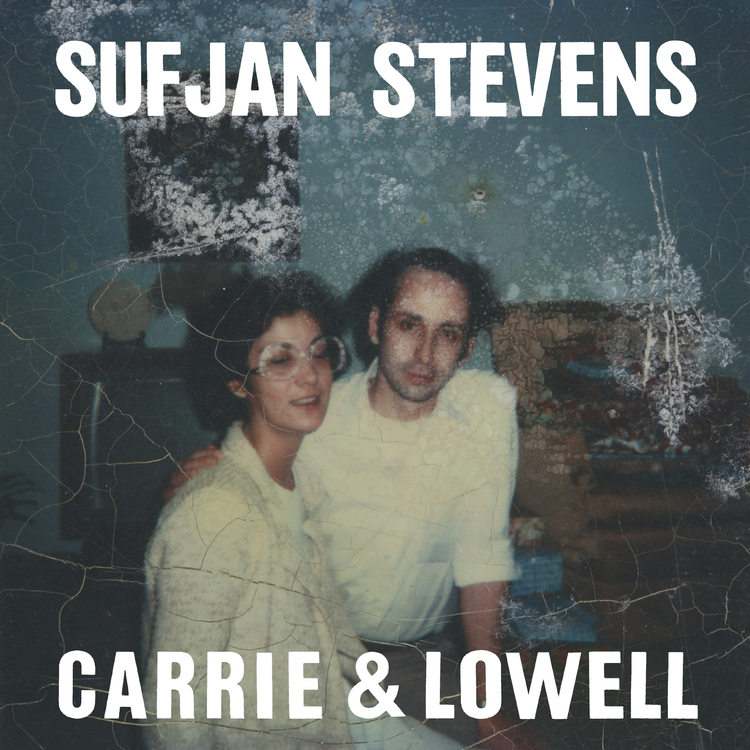
The beginning of this year was quite slow going for great records but Sufjan Stevens seventh studio album stood out instantly and has continued to stay a strong contender throughout the rest of the year, easily making its way onto my top 5.

Carrie & Lowell is a very intimate piece of work in every way. The larger scale electronic sound heard in a lot of his other work has been stripped down to simpler compositions which match his intensely personal lyrics, reminiscing his past and mourning people who have passed on. This intimacy also comes across in a lot of the production. The wispy vocals often sound like they were recorded when the emotions rather than the technical requirements were right and this manages to capture something far more human throughout.

The instrumentation, although sparse is given a lot of room in mix to provide poignancy. Thick washes of reverb are used liberally throughout the whole album to the extent that the effect becomes an instrument in itself. Turning harsh fast piano and guitar playing into wide open textures that reside in a numb dream of nostalgia. This sound is the cement throughout the whole album, grounding every song within as a complete work. Individual tracks don’t stand out for me, instead they merge together. Becoming the feeling of the record which always subtle, beautiful and softly spoken.

The album ends in a lush soundscape of instrumentation and humming from Srfjan Stevens and as the sound slowly drifts away into infinite silence were greeted with catharsis. It’s in that silence where the album manages its crowning achievement. Deep feelings of self-reflection and solidarity with the artist become the remnants of what is truly a fantastic piece of work.

Albums of 2015: Oneohtrix Point Never_Garden Of Delete

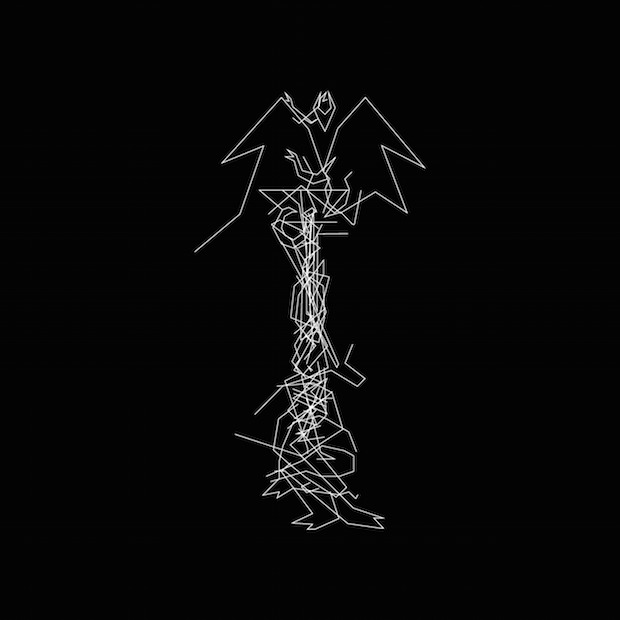
Artwork from Oneohtrix Point Never

The first artist to ever make it onto my list two years in a row. Danial Lopatin aka Onoeohtrix Point Never is always someone I look forward to hearing, because his music comes from such a unique place. Although his influences are recognisable, the way he morphs and structures them is distinctively his own. With each album he develops this sound, pulling it in different directions and adding new instrumentation with refreshing results.

Garden Of Delete comes from a far darker place then his previous work R Plus Seven. Although R Plus Seven had its sinister moments they were lurking in the background. Garden Of Delete brings them into the forefront, making you confront them head on. Allot of this sound is influenced by Chipspeech vocals, the main new addition to his musical palate. In several Interviews he has talked about using the Plogue software chipspeech which emulates vintage style speech synthesisers. It’s a key player in garden of delete, used on almost every track in one way or another and has greatly shaped the instrumentation outside of the software itself.

By its very nature vintage speech synthesis is pretty cryptic, harsh and at times undecipherable. Rather than being a weakness OPN has turned it to a strength. Taking influences and instrumentation from other genre that compliment this kind of vocal delivery. Guitars thrash with distortion, jingle with plucky delays and synths choke with big blocks of noise reminiscent of sounds heard in several Metal sub-genre. This matches the speech synths which mimic Metal music on tracks like “I Bite through it” and “Sticky Drama”.

In the final Track “No good” the vocals start to approach R&B before being ripped apart with heavy sampling. Elements of EDM are also there, the opening synths on “I Bite Through it” are a perfect example of a sound one step removed from a modern rave. Proof that OPN has added this style of production to his skill set. In its softer moments the album has elements of Baroque and Ambient music. All these different sounds and textures are mixed in with each other in unlikely ways, layered onto of each other or viciously cut between to constantly keep the listener guessing.

Trying to explain whats going on in his music is futile because it doesn’t fit properly into any traditional form or style. Instead the music works best when you just go with it on an emotional level. OPN may not make music in a traditional sense, however he plays with the characteristics and our preconceptions of music. At times these can be disorienting and unnerving like on track “SDFK” where a quite minimal piece is interrupted by a drum pattern close to Industrial music. At other times it can be playful like on the track “freaky eyes”. Where a single guitar note that sounds like the opening to a roaring solo from the likes of Van Halen is held on its own, toying with your expectations until he moves onto something structurally entirely different. It keeps you constantly guessing as to what’s going to happen next. Confounding your expectations whilst also at the same time connecting with you emotionally. You can go from anticipation to euphoria and into fear within 16 bars of a single track and although hard to comprehend the music gives you allot to think about on repeat listens.

This album is a toy box of novelties that somehow works as a whole. Playing with your toys as a child you can imagine a world where both a teddy bear and an action man can exist and go on adventures together. Although both these objects are completely different sizes and made with different materials they can exist in their adventures because of our imagination. Garden Of Delete has this feeling of imagination, creativity and playfulness in spades and will continue intreague, joke, play and develop for me on repeat listens for many years to come.
Albums of 2015: Kamasi Washington_The Epic

The Epic by Kamasi Washington

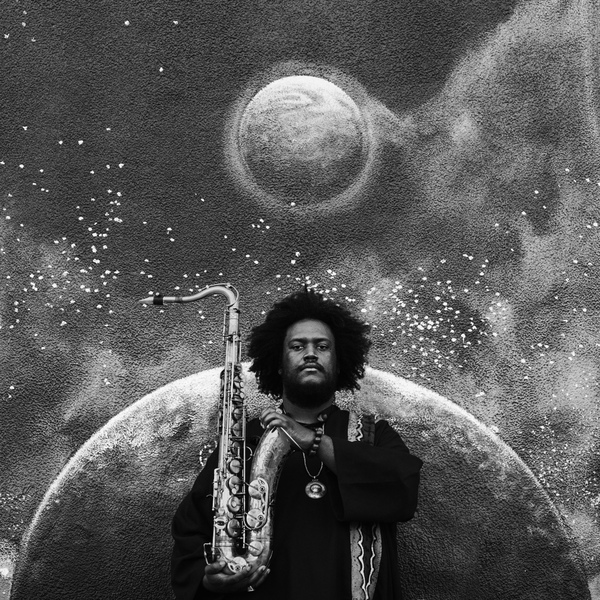
You couldn’t have named Kamasi Washington’s debut album as band leader any better. The Epic manages to be an all-consuming gargantuan effort of Jazz spread over 3 hours and multiple discs of playtime. Not only epic in scale but also instrumentation, Kamasi has brought together a large collection of musicians from the LA jazz scene and allowed their talents to shine through on the record, together as a large unit.

Although covering quite a few areas of the jazz world the album stays true to the genre. Rather than incorporating other genre to create something new the album sounds very close tho the works of artists from jazz in its heyday. This is a very hard thing to do because by focusing your sound around the likes of John Coltrane, Myles Davis, Grant Green etc. You set an incredibly high bar to draw comparison, requiring the musical chops to do this history justice.

Luckily the musicianship on this album is of the highest calibre, at least twelve musicians worked on this album and all are on top forum. Arrangements are complex and layered, mostly lead by the brass section of saxophone, trombone and trumpet. These compositions always feel live and can vary in structure and arrangement as elements of free jazz and more authored pieces mix with each other throughout. It’s able to do this because of The Epic’s long playtime.

The music has the time to try out different styles, ruminate on them and allow the listener (time permitting) to get lost in it. There’s just as many catchy melodies on here as there is technical soloing. I can honestly say that anyone who has an interest in Jazz will find a track on The Epic they will love, as it covers so many bases.

Although we do drift around different styles of jazz there is a constant sound that grounds the album together. Pads of organ and vocal beds provide an underlying cosmic feeling reminiscent of some early psychedelic music. This mellow sound allows a variation of styles from smooth to free jazz to intermingle with each other. Giving enough differences between tracks to keep the work interesting throughout its entire playtime. A few Vocal lead tracks are peppered throughout the album which add to this verity, keeping the work fresh throughout.

The Epic manages to go back to the golden era of Jazz and replicate it with great talent and style. It showcases the skills of many artists and session musicians that are in the background on a lot of modern popular music and bring them to the forefront in their own right. Collaborating to create three albums worth of fantastic material that will appeal to fans of the greats from the history of jazz and hopefully bring new listeners along for the ride.

TOTW: Beach House_Rough Song

Beach House had a busy year with two albums of great new music that will appeal to any of their fans. For me their second album “Thank Your Lucky Stars” was the better of the two and sticks quite closely to the sound they have developed over several years. Looping synth lines/organs and drum machines underpin the more human elements of guitar and vocals.

It’s this blend of the hypnotic layers of instrumentation with Victoria Legrand’s poetic and often cryptic vocals that always create an air mystery and self-reflection in a way I always find enchanting and Rough song is no different:

Albums of 2015: Deafhaven_New Bermuda

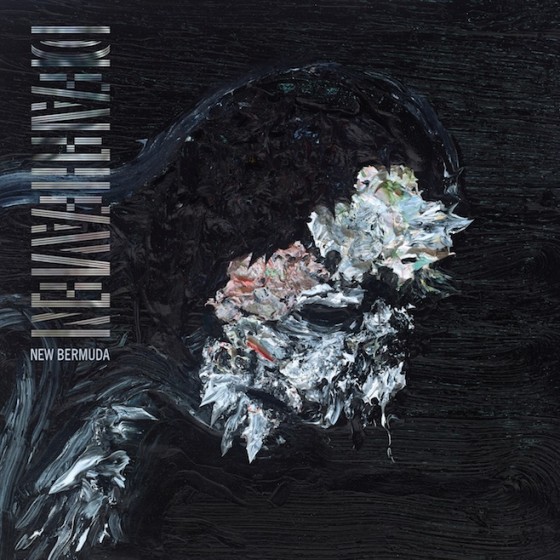
Album cover for New Bermuda by Deafheaven

New Bermuda opens with a throbbing bed of electrical disturbance mixed with church bells, sounds we associate with two separate worlds. In the electrical you feel fear and danger. In church bells you feel grandeur and beauty. Both sounds do share one connection though. They’re symbols of power at its highest level, sounds of things which shouldn’t be trifled with. It’s a confident position for the start of any album as it needs to be matched by the music, I’m happy to say Deafhaven not only manage to match but surpass these lofty aspirations. As a torrent of distorted guitar and machine-gun speed drumming crash their way into the mix, quickly joined by the guttural screams of vocalist George Clarke. We begin to hear a 45 minute thrill ride of operatic proportions.

Over the records playtime we are treated to five tracks none of which are shorter than eight minutes. This allows for the composition to progress and develop repeatedly throughout their duration. The intensity of Black Metal will calm down for whole minutes as the distortion is replaced by thick reverbs reminiscent of shoegaze acts like slowdive. This ebb and flow between the heavy attacking aggression of Black Metal and the soft contemplative quality of Shoegaze allow both to accentuate their strongpoints.

This is a sound Deafhaven have been developing in their previous works and on New Bermuda they craft the two genre into tracks effortlessly. They become perfectly blended counterpoints rather than conflicting forces. Each is given its time in the sun but structured uniquely on every track to achieve different results. On the track “luna” the Shoegaze sound is used as breakdown however on “Baby Blue” it as used as an opener providing a place of serenity before the crushing wave of power hits home, reminding me of an extreme variation of post rock.

Production choices are also interesting throughout, The slow fade on the opening track replacing the band in full swing with a single piano melody is very ambitions. On first listen came across as abrasive but within the context of the album it provides a perfect pallet cleanser for the entrance of the second track. The vocals are also mixed in with the guitars rather than the focus of most of the tracks and this is a novel choice, giving instrumentation more prominence as multiple guitar lines battle it out.

The album winds down with the final track “Gifts for the Earth”. Its acoustic rhythm guitar and electric lead guitar give a strong air of finality that sends the album it off into the sunset.

At Its peak New Bermuda is some of the Harshest most aggressive music i have heard this year and this is given even more weight by having softer edges. It manages to straggle a line between several genre and create something fresh and exiting by doing it, bringing myself and fans of Progressive rock, Shoegaze and Black metal along for the ride.

Albums of the Year 2015 buildup

So here it begins, My albums of the year countdown. The format is slightly different to others in that I only choose five albums and don’t have a list.

Instead these are my favourite four albums in no particular order which will be revealed at 7pm each night until new years eve where at 11am my write up for my favourite album of the year will go up.

All of these albums are worth your time so give them a listen and tell me what you think:

TOTW: The Flamig lips_7 Skies H3 (Can’t Shut Off My Head)

I have already written quite a long article about my love of the Flaming Lips in a previous TOTW. needless to say I’m a great believer in their artistic flourishes no matter where they go I will always respect what they do even when it doesn’t work.

The CD version of 7 Skies H3 is the condensed form of a 24 hour-long live recording they released on flash drives encased in real human skulls for Halloween 2011. It is far more raw than most of the flaming lips other work in many ways from its recording to its arranging and the opening track is all the better for it.

In (Can’t Shut Off My Head) were treated to something more morose than most of the flaming lips catalogue of music up to this point. Sounds we hear in their later album entitled The Terror seem to have grown from the seeds of 7 Skies H3. Vocals of loss and morning by Wayne Coyne cry out with little upside or hope and are accompanied by detuning instrumentation, dark synth pads and a slightly distorted guitar as the main instrumental focus. Between verses a simple yet dominating lead synth line wafts into the track with elements of despair and regret. The whole track completely opposes the silver lining elements that had existed in previous flaming lips music, wether it be lyrically or in production for over a decade.

It may be darker and rough around the edges but I still find the album and this track captivating. The Flaming Lips have always managed to push in directions you would never expect them to and I look forward to being surprised by them again in the future:

TOTW: Supergrass_Moving

As the year draws to an end and my albums of the year list gets more imminent, it becomes a mad rush to listen to as many new albums as possible. At some point I need to clear the palate with some music I’m very accustomed to. Music that’s been in my psyche for years, ingrained into my life and experiences like a soundtrack. Moving by Supergrass is one of those tracks.

The track sounds like two different choruses from separate songs have been merged together into an A-B repeating pattern. We open with the (A) section complimented by a wondrous string arrangement that provides a bed for the acoustic guitar section before more rock elements of electric guitar, organ and heavily hit piano come in for the B section.

Both these sections would be the highlight of two separate tracks and it’s this contrast between the harder B section and the more Refined A section that really work well when put together. But it’s the A section that I always look forward to hearing. It brings a sense of nostalgia that always pulls at me emotionally. Even without that nostalgia, moving is a well made piece of indy pop from an dacade where indy pop was king and I hope it will connect with people today as it did with me 15 years ago:

TOTW: Floating Points_ Silhouettes (i,ii & iii)

On The album Elaenia, Floating Points mixes Jazz and elements of Electronica with great skill the highlight being the Suite of tracks entitled Silhouettes. Running in at over 10 minutes we are treated to a track that at first sounds like it is going a more traditional electronic route before the more organic flow of jazz is introduced with the drums a minute in.

As more live instrumentation is added over the sequenced Eurorack synth we move into something far more freeform. Synth, rhodes piano and an instrument that could be a sax or synthesiser go the traditional jazz route, finally a string section followed by vocalists comes into the mix and lifts the track into the sky.

It’s this fluid nature of the track that really makes it. As it morphs between styles we never notice the quite dramatic changes throughout its instrumentation until you look back on the piece. Floating Points has managed to blend the rigidity of step sequencing and electronic music with the natural instincts of jazz in such an organic way that differentiating between the two is hard. This in itself is an incredible achievement, coming from an artist with a clear and developed understanding of composition and it deserves to be heard:

TOTW: Simian Mobile Disco_ Live On KEXP

The Seattle Radio Station KEXP has a real passion for showing a wide variety of great live music and over the years have built up a fantastic back catalogue of video featuring an eclectic collection of artists including this video of Simian Mobile Disco performing live.

On their album Whorl SMD use modular synths to make the whole album. As modular are a personal hobby it’s always interesting to see other people’s kit and also how they can be used in a live scenario.

Over the 30 minute set we’re treated so some great soundscapes that emphasise the more drifting and dreamy side of synthesis with some backup with stronger electronic percussion and without a traditional computer in sight: