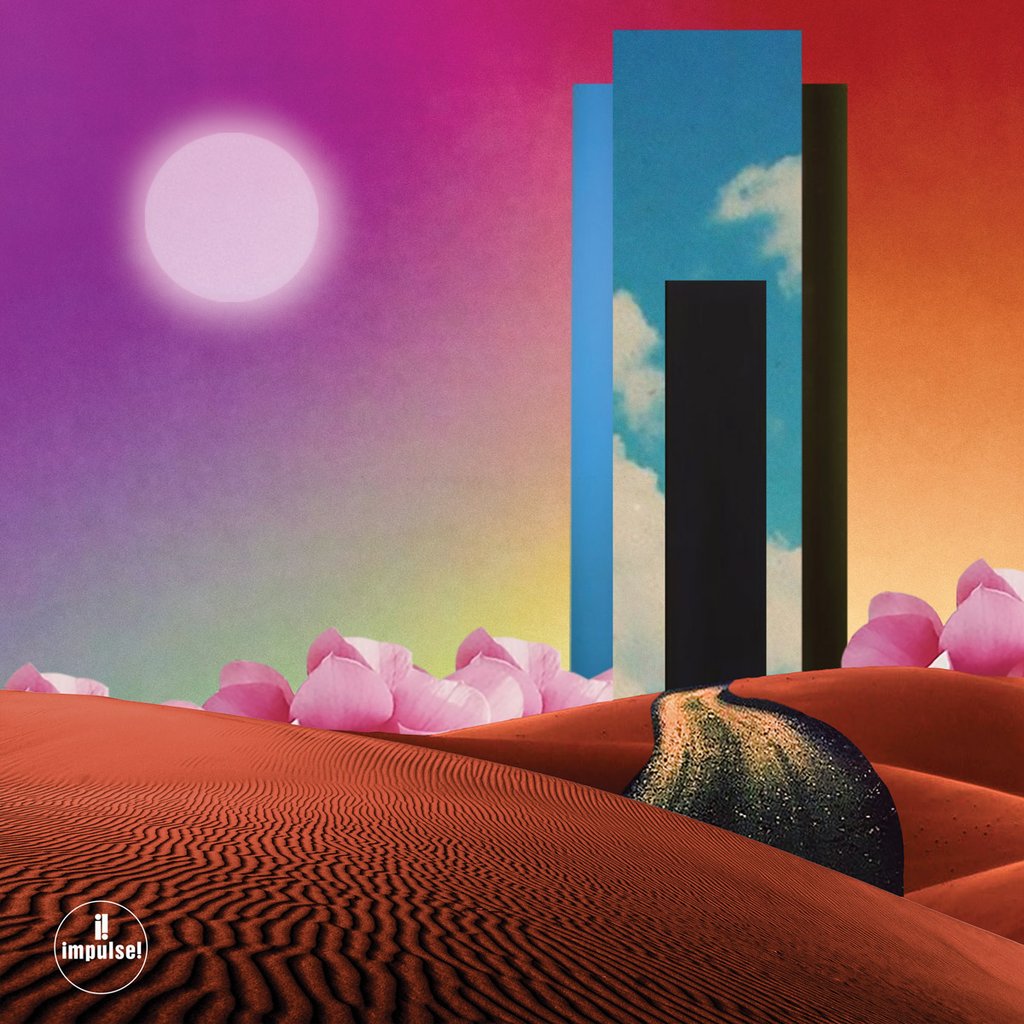
Albums of the year 2019- The Comet Is Coming- Trust In The Lifeforce Of The Deep Mystery

The Comet Is Coming- Trust In The Lifeforce Of The Deep Mystery

The Comet Is Coming released two great albums in 2019. “The Afterlife” came out towards the end of the year and is a smoother more direct record. “Trust In The Lifeforce Of The Deep Mystery” is the longer more eclectic record and, although they’re both great and play well together, I’d recommend the latter first.

Traditional Jazz Trios are usually made up of an upright bass, piano and drums. Occasionally in the past one of these instruments has been replaced with another, but it will always sacrifice something in the mix, loosing either the bottom end of the bass or the versatility of a piano for another instrument. The Comet Is Coming manage to get around this by replacing the piano with synthesizers, allowing Dan Leavers, their keyboard player, to cover the bass lines and still have the ability to fill out the music with chords and pads.

With Dan Leavers fulfilling the sonic rolls of two players in the traditional Jazz Trio, it frees up a space for Shabaka Hutchings guttural and often aggressive saxophone. He provides the guiding force to the tracks with a strong honking sound, backed up by his personal playing style.

Although they break the conventions of a traditional Jazz Trio in sound and style, the one thing they have in common is the high skill level of all the musicians involved. Max Halletts drums finish off the trio with complex and natural rhythms that both provide structure and bounce off the versatility of the other musicians.

With the undeniable quality of each musician and their ability to play as a group they could easily have stuck within a traditional Jazz Trio mould. But the introduction of synthesizers, which offer a greater pallet of sounds, and their clear interest in other genre means that The Comet Is Coming break through those confines.

But what sets them (and other modern) Jazz players apart from the Jazz Fusion bands of the 60’s is influence from the electronic genres that didn’t exist at that time. The repetitive catchy loops and grooves of dance music are implemented regularly in this album, allowing instant ear worms that hook you as the listener from the first time. They then break out of those sections with fast flowing solos that exchange accessibility with complexity.

The Comet Is Coming demonstrate the evolution of Jazz and what it can be. Introducing new people who will find their mix of genre more appealing. But keeping jazz fans like myself hooked by offering a new rich style that’s faithful to the original ideologies of impressive playing and musical experimentation, but without the baggage of history holding them back.

There have been several bands over the past decade that have played with the same ideas that The Comet Is Coming do. But few have achieved it so succinctly and enjoyably. Trust In The Lifeforce Of Deep Mystery is both an easy and complex listen. It’s full of emotion and ingenuity and manages to have them both without sacrificing either.

The Comet Is Coming released two great albums in 2019. “The Afterlife” came out towards the end of the year and is a smoother more direct record. “Trust In The Lifeforce Of The Deep Mystery” is the longer more eclectic record and, although they’re both great and play well together, I’d recommend the latter first.

Traditional Jazz Trios are usually made up of an upright bass, piano and drums. Occasionally in the past one of these instruments has been replaced with another, but it will always sacrifice something in the mix, loosing either the bottom end of the bass or the versatility of a piano for another instrument. The Comet Is Coming manage to get around this by replacing the piano with synthesizers, allowing Dan Leavers, their keyboard player, to cover the bass lines and still have the ability to fill out the music with chords and pads.

With Dan Leavers fulfilling the sonic rolls of two players in the traditional Jazz Trio, it frees up a space for Shabaka Hutchings guttural and often aggressive saxophone. He provides the guiding force to the tracks with a strong honking sound, backed up by his personal playing style.

Although they break the conventions of a traditional Jazz Trio in sound and style, the one thing they have in common is the high skill level of all the musicians involved. Max Halletts drums finish off the trio with complex and natural rhythms that both provide structure and bounce off the versatility of the other musicians.

With the undeniable quality of each musician and their ability to play as a group they could easily have stuck within a traditional Jazz Trio mould. But the introduction of synthesizers, which offer a greater pallet of sounds, and their clear interest in other genre means that The Comet Is Coming break through those confines.

But what sets them (and other modern) Jazz players apart from the Jazz Fusion bands of the 60’s is influence from the electronic genre that didn’t exist at that time. The repetitive catchy loops and grooves of dance music are implemented regularly in this album, allowing instant ear worms that hook you as the listener from the first time. They then break out of those sections with fast flowing solos that exchange accessibility with complexity.

The Comet Is Coming demonstrate the evolution of Jazz and what it can be. Introducing new people who will find their mix of genre more appealing. But keeping jazz fans like myself hooked by offering a new rich style that’s faithful to the original ideologies of impressive playing and musical experimentation, but without the baggage of history holding them back.

There have been several bands over the past decade that have played with the same ideas that The Comet Is Coming do. But few have achieved it so succinctly and enjoyably. Trust In The Lifeforce Of Deep Mystery is both an easy and complex listen. It’s full of emotion and ingenuity and manages to have them both without sacrificing either.

[buy here]

Spotify:

Albums Of The Year 2019-Floating Points_ Crush

Floating Points- Crush

I’m going to start this review on a bit of a tangent but bare with me. Lets go back to the beginning of the 1960’s. Using electronic components to synthesize audio was very much in its infancy and at the forefront of science. The first synthesizers were only available in university research laboratories. They were created using a mix of electronic apparatus, designed for scientific research purposes, sitting side by side with custom hand built circuitry to create what would now be considered the most rudimentary of modern synthesizers.

Out of this period came two American engineers and designers who took the steps required to move this technology from research laboratory to the public.

The first of which, and probably the best known, is Bob Moog, whose aim was to get these new sounds and techniques into the hands of musicians. He started with large scale modular designs, before creating a portable alternative with only the essential features. The Mini Moog became one of the most iconic synthesisers (if not instruments) of all time and cemented the techniques and design philosophy of Bob Moog into the canon of synthesis design for years to come.

On the other side of America, in California, another visionary had some similar ideas. However Donald Buchla’s approach to synthesis and design philosophy was greatly different.

Instead of trying to appeal to musicians by creating instruments that were easy to understand in a more traditional music structure, Buchla was interested in the experimental. He forced his users to think differently; to create music outside of what had been created before, rather than emulate the past with new equipment. This approach wasn’t as widely accepted as the Moog approach but still had many loyal fans and users who pushed the boundaries of what synthesis, and even music, could do.

Over time, these two styles of synthesis (the “east cost design” of Bob Moog and the “west cost design” of Donald Buchla) have become more intertwined. Modern synthesis design is full of mixes of the two styles; especially with the event of the modular format eurorack. Now the chance of having a Buchla style “complex oscillator” in a system alongside a traditional Moog designed “Ladder Filter” is commonplace in modern modular synthesizers.

But there is still opportunity for artists to delve purely into the design philosophy and thought process of the individual designers. They can do so by buying the synthesizers their companies still make.

And that leads us to Crush by Floating Points; a man who has fully adopted the Buchla style as part of his workflow and performance. A style that has worked its way into the very core of this album.

I’ve personally dabbled with both Moog and Buchla systems in the past. My personal Eurorack has a collection of units that mix and merge the two styles, but in their purest form. I’d say the main difference in thought process between the two original styles are as follows:
East coast systems are about building and refinement. You take fairly simple sound sources and then layer and chip away at them with filters and envelopes to create your sound. However, a Buchla system for me works the opposite way, You start with everything and its all about taming the potential into something usable rather than building something usable out of nothing. This may sound like minutia but its a hugely different creative approach that will result in massively different outcome, even if you have the same aims in your head when you start.

Floating points is a master of the second approach. He manages to take a Buchla system and tame enough of the experimental nature out of it to create traditional club tracks when he wants to. This is demonstrated perfectly on the centerpieces of this album “lesAlpx” and “Bias,” which when they are in full motion are all out modern classics.

That isn’t to say he doesn’t let the more experimental elements come out on “Crush”. Many of the tracks take a more complex approach to sound design and melody than the traditional looping hooks of most dance music.

The opening track makes this abundantly clear with a string and brass arrangement that is mixed in with with rapidly flickering samples from a electronically modulated amplifier. It sounds completely fresh and takes elements of the style he used in his first album and subverts them into the more electronic nature of this one.

String and Brass instrumentation are not the only things that help reign in some of the more eccentric nature of the Buchla system. The use of samples, including the Amen Break and other synthesizers and drum machines, intermingle and provide some grounding.

The blend between the more experimental and the refined is perfectly balanced on the album and allows the listener to go on journey or exploration and still have things to latch onto when they feel a little lost.

On first listen the one place I thought the experimental nature of the album fell apart was in its production. I first heard the album through a mono Bluetooth speaker and got very little out of it. The only reason I went back to the record was because of my love for his first album “Elaenia”.

Through a pair of headphones, the album opened up to reveal what a brilliant piece of work it is. The use of stereo is expertly done. Each instrument is given space within the stereo field, and effects allow movement that disappears on a mono system.

The album is also dynamically rich and organic for an electronic album. You mix that with the stereo design and it creates the lush world the album inhabits. A world that’s suffocated on lower quality and mono systems.

Its a bold decision to take this risk but a decision that has precedent from the more experimental electronic music. Especially that featuring Buchla systems.

Buchla synthesizers themselves were early adopters of the stereo field with modules that encouraged their performance on stereo and even quadraphonic systems. This synergy between experimental artists pushing the boundary of live performance and Buchla making systems that allowed them to do this has clearly rubbed off on Floating Points and this album.

On a good set of cans, or a nice stereo Hi-fi system, this album really comes to life. All the original shortcomings melted away and the album quickly became one of my most played this year.

“Crush” is a modern album of electronic music that’s routed in the history of the experimental side of synthesis; especially the Buchla system. It takes bold decisions and expects the listener to come to the album with a certain level of respect to reap its bountiful rewards.

It takes you on an adventure through the unknown, but, by blending the fringes and mainstream elements of synthesis and production, it never leaves you stranded. The result is one of my favorite albums of the year. I’m sure Don Buchla would be proud:

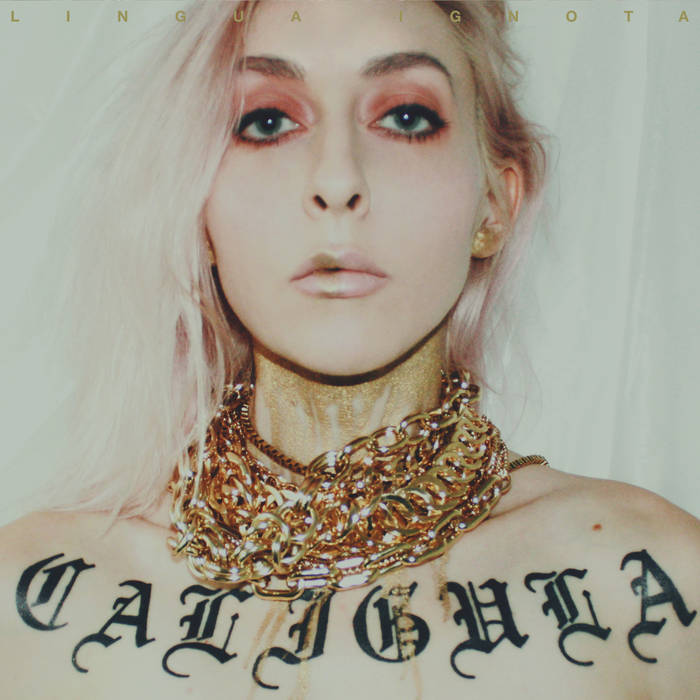
Albums Of The Year 2019-Lingua Ignota- CALIGULA

Lingua Ignota-CALIGULA

Before I start on a more nuanced review of CALIGULA, I will get straight to the point. This is one of the most intense and often overbearing experiences recorded, not only in this year, but over the decade. For people who look to music as an experience and form of artistic vision – not just as something to be enjoyed, but challenged over – you owe it to yourselves to listen to this album.

On first look at the track listing of this album, you can tell it’s intentions. All capitalized track names like “MAY FAILURE BE YOU NOOSE” and “FUCKING DEATHDEALER” indicate a work that’s going to be dealing with the darker side of life. Rage and aggression are clearly a key influence in all of its recording, but there’s also a vulnerability in the tracks. It’s the way Kristin Hayter plays with these dichotomies that enables the album to have such an impact.

Several genre are mixed to great effect on the record. The most obvious of which would be its interchange between neo-classical and Metal sub genres. This process applies across the board both instrumentally and in vocal delivery.

Vocals switch between many styles, from operatic to Mongolian thought singing. And then in its darker phases, there is the more guttural/aggressive delivery of metal.

The instrumentation also mirrors the vocals, going from lighter more delicate textures with the use of classical piano to darker distorted sounds that warp themselves to the point of synthetic instrumentation. Naturally, this results in a wide dynamic range on the record, which varies from quiet moments of reflection to massive crescendos of power that plunge you into the darker depths of the album’s subject matter.

Stories of abuse, pain and violence are delivered aggressively but always earnestly. It’s this raw openness in the vocal delivery that stops the album from becoming ludicrous. The techniques used could easily fall into bombast to the point of caricature, but CALIGULA faithfully treads the fine line between emotional grandeur and reliability to the listener.

The production does a great job of enhancing these colliding elements to create a collective and succinct whole; especially with the use of room ambiance. Most of the album sounds like it’s recorded in large “classical” spaces, such as open orchestral halls. But at times the room closes in on you as the listener, as the vocals become intimate and almost intrusively direct.

This constant push and pull between styles, methods of recording and delivery always keep you on edge as a listener. It’s only week point for me is the last third of the album, which seems to refine some of the styles to a point that it removes some of the conflict that makes the majority of the work so compelling.

The album ends with a collision of percussion, brass, distortion and screaming that escalates to a hard cut that leaves you as the listener completely disoriented. It’s a perfect challenging conclusion to the album and leaves you dumbfounded and exhilarated. Even with its minor shortcomings, CALIGULA’s bold and innovative approach meant it had to be on my albums of the year. A must for anyone seeking a complex, difficult and thought provoking listen.

Bandcamp:

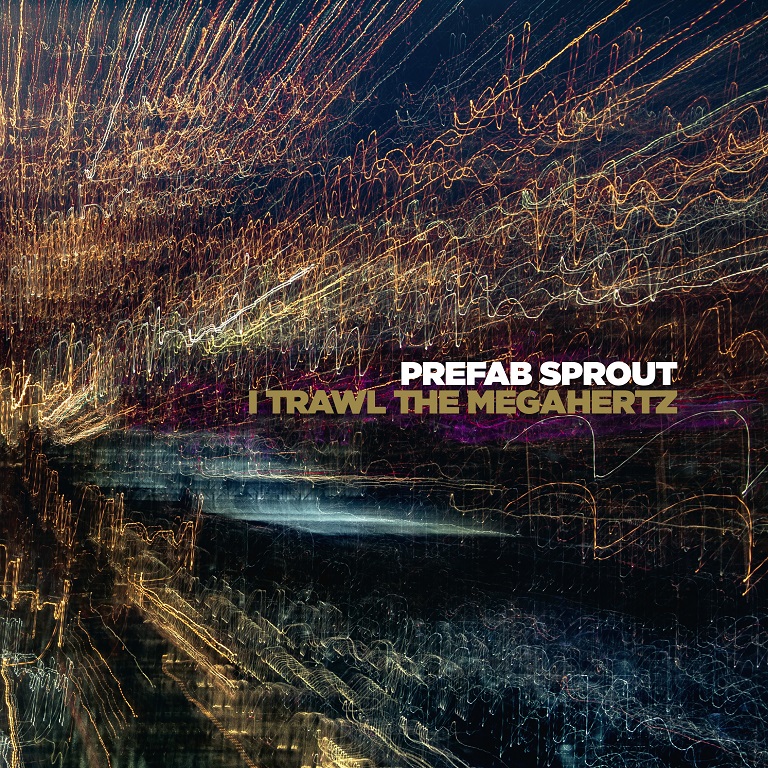
Albums Of The Year 2019 (Honorable mention)-Prefab Sprout- I Trawl The Megahertz

Prefab Sprout- I Trawl The Megahertz

Although this album came out in 2003 as a Paddy McAloon solo album, it was re-mastered and re-released this year under his more famous moniker “Prefab Sprout”.

I battled long and hard with my conscience over putting this in my top five. Last year I was perfectly comfortable making “Car Seat Headrest”s remake of his 2011 album “Twin Fantasy” my album of the year. But for “I Trawl The Megahertz” I felt differently. Eventually I decided where my line in the sand was for records that qualified and unfortunately “I Trawl The Megahertz” just didn’t make it.

That difference was re-master vs remake. Although a remaster does use new creative vision and makes the work sound different, it doesn’t re-record the instrumentation of the album. And with that I concluded that It just didn’t qualify for my albums of the year list.

However I had to mention it before my albums of the year, because when it comes to the albums I’ve listened to and enjoyed the most this year. “I Trawl The Megahertz” has featured highly.

There are a handful of records this year that instantly stood out in a playlist. The lush sound stage of strings, whistling, and some sort of ideophone drift into the opening track. This creates not just the mood for the album, but a feeling of a modern orchestra.

The collection of instruments used on this album are so well suited that they could be used to make countless records of incredible music. It demonstrates the talented ear of Paddy McAloon and his ability think about instrumentation and composition in a way that creates a new sonic landscape that doesn’t rest in traditions or conventions.

In turn, this makes the record sit somewhere between genres; cast into an opaque world, with dreamlike flexibility. Moments hint at classical, jazz, and more experimental areas, but it never sits there long enough to become them. Instead it drifts off into new realms and possibilities.

This has a unique effect on you as the listener. It massages you with a collection of different stimuli and ideas. It gave me the same feeling I get when walking round a gallery in a daydream and multiple emotions are stirred in me but then let go as I move onto the next idea and artwork. The effect it creates is a calming, almost meditative state that is easy to relax into.

On the majority of the album the vocals also adhere to this feeling of perusing. Mostly spoken word, they drift between subject matters every few sentences; occasionally hitting on incredibly poignant and thought provoking sections before falling into different feelings and subject matter entirely.

The story behind the album’s creation is interesting in its own right. After surgery to fix detached retinas, Paddy McAloon had to spend his recovery with little visibility . Over this time period he became interested in radio, including documentaries and phone in shows, which he would record. These recordings then became the inspiration for many ideas in the album. It’s more obvious on tracks like “I’m 49” but its always there in its composition.

The weight of this albums history would always give it a special place for music fans like myself. But even if you take it at entirely face value, you are still left with a record that is both a visionary portrayal of an artist’s thoughts and a unique emotional experience for the listener. For me, there’s no higher praise I could give to a record.

Even though “I trawl the Magahertz” didn’t fit my standards for an album of the year 2019, I know it will stay with me, and grow on me for many years to come, as I approach the age Paddy McAloon was when he made it. There are very few records I would hold in this high an esteem and this exquisite remaster allowed me to hear it for the first time and find something truly special no matter what year it was released.

Spotify:

Buy Here

Albums Of The Year 2019

2019 has been another great year for music and the albums of this year have been particularly hard to choose. After much deliberation I’ve decided my favorite five albums and my album of the year and I’m finally happy with my decisions.

Today I will post a honorable mention that couldn’t quite make the list for criteria reasons. Then from tomorrow I will be posting my first runner up and will continue releasing a review a day until my album of the year review on to new years day.

All of the albums mentioned are worth a listen. They show what I believe to be the best of what music has to offer, from the several hundred records I’ve listened to this year.

Although there have been many records that have been great this year with hundreds of outstanding tracks. I believe these 5 albums and 1 honorable mention to be the best complete works as albums from the year.

If anyone has any other suggestions feel free to comment and I will give any I missed during the year a listen.

[For my first review and honorable mention click here]

TOTW: Aldous Harding- Zoo Eyes

Although cryptic, Zoo Eyes’s lyrics deal with a feeling of joy in a vulnerable way.

It mirrors this musically with a sound reminiscent of 70’s British children’s TV shows. Folk music that has both a joyous and slightly sinister tinge. It dates back centuries to a time where life and death were closer intertwined in our culture and more visible in our reality.

Zoo Eyes feels intentionally dated; a throw back to the more innocent times Aldous Harding sings about. In this current day, where meta-narratives control our thoughts, Zoo Eyes provides a naive stark, relief. A respite from our current times, which I’ve really needed in the past few weeks:

Youtube:

TOTW Playlist:

TOTW: Jay Som_Crown

I instantly liked this piece of Low-fi pop rock. I’m a sucker for slightly detuned synth lines, and Crown opens with a great one. With its instrumentation and downplayed vocal delivery, “Crown” reminds me of Grandaddy in all the right ways. A gem of a track that I highly recommend:

Bandcamp:

TOTW Playlist:

TOTW: Floating Points_ LesAlpx

On My first listen to Floating Point’s latest album “Crush” I was slightly disappointed. On a mono bluetooth speaker “Crush” seemed like a mix of tracks that were either too experimental or traditional to work together but I decided to give it another listen due to my love of his previous work Elaenia.


I’m so glad I did. All my concerns with the record disappeared once I listened to the record on headphones. The use of Stereo separation on this album is a key part of the mixing. It adds exiting flourishes to the more traditional work, and manages to ground parts of the more abstract pieces and also provide continuity for the album as a whole.


The album also flows in a bold direction with his blend of strings and buchla synths shift genre between a spectrum of club music to neo-classical compositions.


At its halfway mark Is the track LesAlphx, which is probably the most driving track on the album, with a singular evolving bass rhythm driving the track. A refined aggression is created, and slowly gets more out of control over time.


On first listen LesAlphx is probably the most stand out track on the record. Its forward, rhythm driven production makes you sit up and notice it instantly. But I wouldn’t say it represents  “Crush” as a whole. The album has a lot more subtle and melodically diverse moments that make the whole record worth your time.


Floating Points continues to mix styles in a fresh and interesting way. He blends synthesis known for use in more experimental music with classical instrumentation and whittles down some of its edges to create identifiable dance music that i highly recommend:

Bandcamp:

TOTW Playlist:

TOTW: Angel Olsen_Summer

TOTW: Angel Olsen_Summer

Winter is here. And in this cold weather we always crave the consumption of richness and depth. On her latest album “all mirrors,” Angel Olsen creates the audio equivalent.

To say the album has lush production would be an understatement. Wonderfully detailed textures of warm, varied instrumentation provide a comforting heart to the record. This is juxtaposed with her colder vocals, which, throughout the album, focus on detachment, both in lyrics and delivery.

“Summer” is one of the many great tracks on the album. It focuses more on synthetic instrumentation, with synthesisers replacing the string and brass arrangements that are found on other tracks.

Opening with what sounds like an ARP Solina Synth (a personal favorite of mine), it is then given a shine with forward vocals and guitar that add a levity to the deeper, darker textures. The track is then pushed along by the electric bass line. All of the instruments are mixed and produced with a warmth that can only come from some really high quality production tools and an incredibly talented engineer. It makes this track, and the album, sound timeless. It is a really great piece of work that will only get better as it ages:

Youtube:

TOTW Playlist:

TOTW: King Crimson_ 21st Century Schizoid Man

It’s the 50th Anniversary of King Crimsons debut album “In The Court Of The Crimson King”. 50 years is a long time in music, and there may be many people who haven’t heard this record. To put it quite simply if you’re a fan of music, and haven’t heard this album, you owe it to yourself to give this your attention and time.

One of, if not the first “prog rock” record. “In The Court Of The Crimson King” manages to hold my attention more than many of the works in the genre that preceded it for the next two decades.

The genre went on to become bombastically bloated in complex solos from incredibly talented musicians. But what it gained in technique it lost in emotion. On the other hand King Crimson’s first record manages to be compiled of fantastic tracks that happen to have amazing solos in them. They serve a purpose rather then being the purpose, an important distinction.

The album opens with probably their most known track “21st Century Schizoid Man”. A track that works as a calling card for the record. Very few recordings have ever demonstrated a band this talented or tight. The syncopated harmony’s between each musician is a feat of dexterity and timing that can only come from incredible musicians with a near telepathic connection. When i first heard this track it was literally breathtaking.

I sat there, slack jawed and shaking my head in disbelief. There have been a handful of times in bands where I’ve felt truly “locked in”. Where every musician is working together as a whole and for a few minutes it no longer feels like your reciting music from your memory but a group consciousness.

King Crimson take this feeling an place it on record with a musicianship that elevates to a new plane entirely. It’s a pure joy to listen to and is one of the many reasons “In The Court Of The Crimson King” is so highly regarded. I’ll let you find out the other reasons in your own time:

Youtube:

TOTW Playlist: